
Receipts attached 1 source
Sources
-
Other source
Japan National Tourism Organization
Limits
Single primary institutional source. Advice is distinguished from established rules; check live operator notices before travel.
Corrections
No correction notes have been added for this article.
Japan hiking: Japan’s hiking choices are broader than a single famous summit. JNTO’s national guide ranges from wooded walks near major cities to mountain routes and remote landscapes. The planning challenge is to choose a route that matches the party and the conditions, not to treat every place in a scenic list as an interchangeable day trip. The Japan National Tourism Organization official guidance is the primary source for this guide.
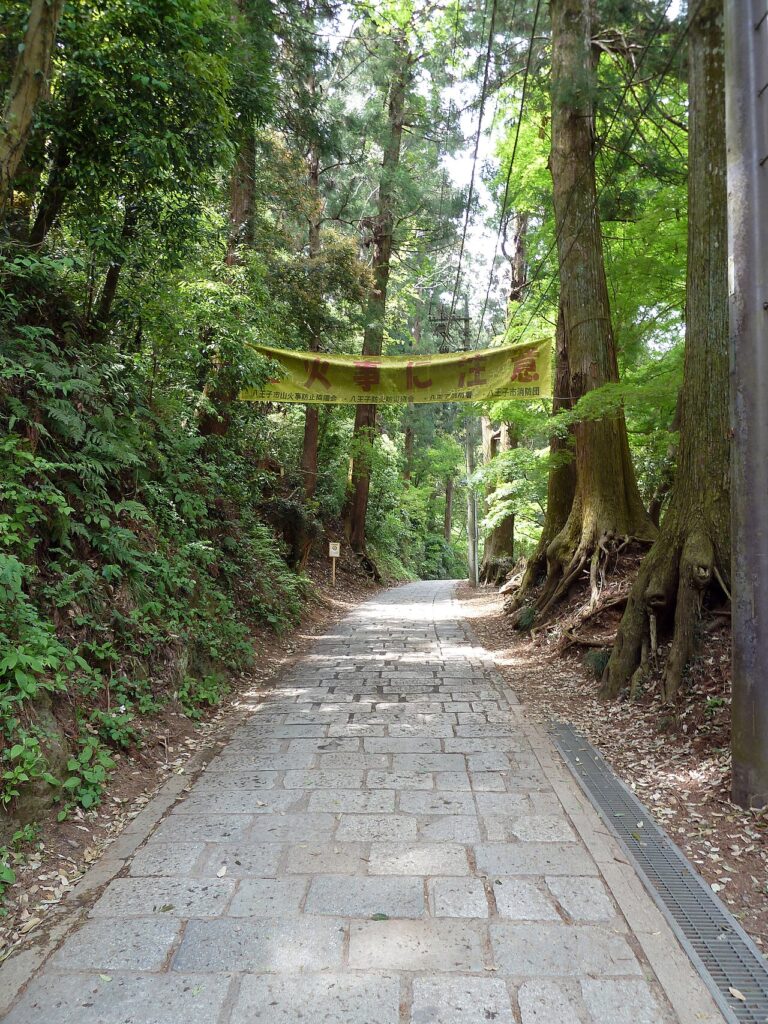
The guide includes Mt. Takao and Mt. Mitake in the Tokyo area, Minoo near Osaka and mountain destinations farther afield. Those examples are a starting point for research, not a promise that a particular trail is open today. Before leaving, check the managing authority’s current notices and the transport operator’s timetable for the specific approach you intend to use.
Japan hiking: what the official guidance establishes
Separate the journey to the trail from the walk itself. Identify where you will start, where you intend to finish and what happens if progress is slower than planned. Save a map that can be used without mobile reception. If a route requires a reservation or permit, settle that before making the outward trip.
JNTO’s examples show why the word “hike” needs a scale attached. Its guide includes the multi-day Kumano Kodo routes and the Shikoku pilgrimage alongside shorter walks. A destination list therefore cannot tell a reader how much time or preparation to allow without selecting a particular section. Choose the actual route and its endpoints before deciding that a place fits into a spare afternoon.
The guide describes the Shikoku pilgrimage as connecting 88 temples across Ehime, Kagawa, Kochi and Tokushima. It also notes that walkers can combine sections with public transportation. That is useful context for visitors who want a limited experience rather than a commitment to the whole circuit. It is not an instruction to attempt a long-distance pilgrimage on the basis of this overview.
For a short trip from a city, compare the walk with the time required to reach it. A route that is modest on foot can still demand a substantial day once the approach and return are included. Set a point at which you will turn back or shorten the outing, and make sure everyone in the party understands the plan. That is planning advice, not an official time estimate for any named trail.
Japan hiking: make the plan fit your journey
Keep the tourism guide’s scenic descriptions separate from hazard information. Its discussion of volcanic landscapes, wildlife and changing seasons should prompt more local research, not encourage a visitor to improvise beyond a closure sign. Do not copy another walker’s route simply because a social-media photograph looks recent; verify what the managing authority says about the section you intend to use.
Finally, make the fallback specific. A shorter route, a different accessible viewpoint or a non-hiking day should be something you can actually carry out from your accommodation. Check the transport needed for that alternative as well. Keeping more than one realistic option is more useful than a vague promise to “see how it goes” after arriving at a remote trailhead.
Accommodation is another early decision. JNTO warns that places to stay are limited on many hiking trails and recommends booking ahead. Do not treat a hut symbol on a map as confirmation of an available bed. Ask the operator about dates, booking conditions and the arrangements relevant to your route.
Japan hiking: checks before you leave
The tourism guide also flags wildlife hazards, including bears in some areas and hornets. Local warnings and trail instructions matter more than a general travel article. A destination’s popularity is not evidence that all of its paths have the same difficulty or exposure.
This is an orientation guide, not a live trail bulletin or a certification of safe conditions. No walking time, opening season or summit forecast is promised here. Once you have chosen a candidate route, verify its current status and be prepared to choose a shorter alternative or cancel. Keeping that decision flexible is part of planning the trip, not a failure to complete it.