
Receipts attached 1 source
Sources
-
Other source
Japan National Tourism Organization
Limits
Single primary institutional source. Advice is distinguished from established rules; check live operator notices before travel.
Corrections
No correction notes have been added for this article.
Japan transport: a pass can be the wrong place to start planning a journey in Japan. JNTO’s transport overview sets out a range of choices, including railways, subways, local and highway buses, ferries and domestic flights. The useful first decision is where you need to go, not which product sounds most comprehensive. The Japan National Tourism Organization official guidance is the primary source for this guide.
Write down the actual itinerary, including the journey between the arrival airport and accommodation. Then distinguish local travel from longer-distance legs. A city subway journey, a train between regions and a trip to an island raise different questions about operators, ticket conditions and onward connections.
Japan transport: what the official guidance establishes
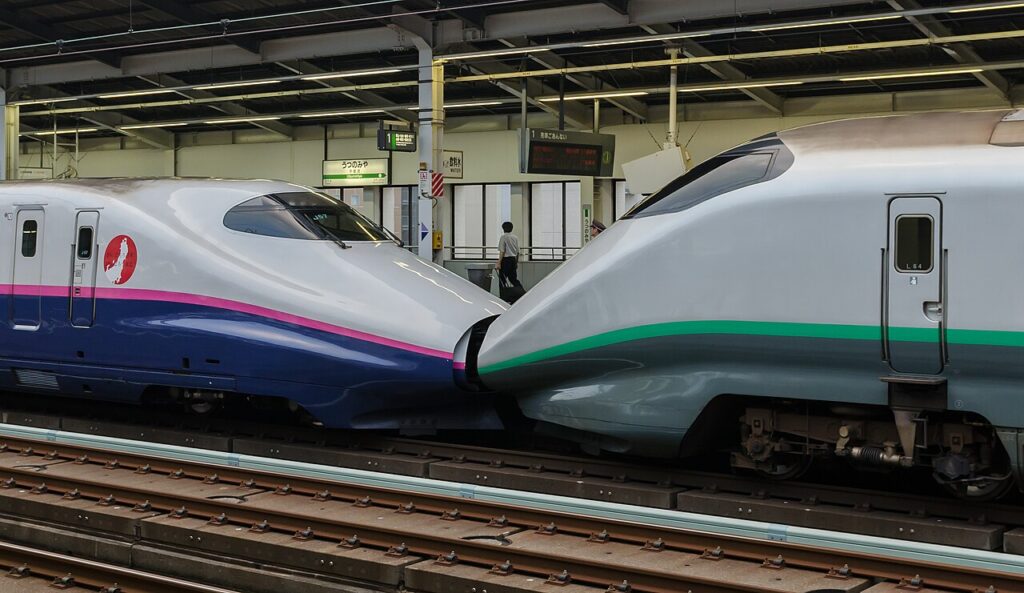
JNTO presents the shinkansen alongside local railways, rather than as a substitute for every other service. Its overview also points to buses and ferry travel. For an unfamiliar destination, follow the destination’s access directions and the relevant operator’s current information before assuming that a major rail station is the end of the journey.
JNTO’s transport overview is organized by mode, with separate entries for JR, shinkansen, subways and local railways. That structure is a useful way to audit an itinerary. For each leg, write the actual operator and boarding point rather than using “train” as a complete instruction. Then confirm how the ticket or pass relates to that service before assuming that another railway’s rules apply.
The overview also discusses taxis and explicitly notes that some accept cards but not all. If a taxi is the planned fallback, establish how you can pay before treating it as a guaranteed rescue for a missed connection. This does not mean a cash-only rule applies across Japan; it means the tourism guide itself advises against relying on universal card acceptance.
A timetable comparison should include the first and last local connection, not just the fast intercity section. An apparently attractive arrival time at a major station may leave a separate journey to accommodation. Ask the destination for its current access instructions and check whether they describe the same entrance, pier or stop as your plan. Names that look similar on a booking screen can still refer to different stages of travel.
Japan transport: make the plan fit your journey
For islands, JNTO points travelers toward both ferry and air options. Treat the choice as a complete door-to-door journey, including the approach to the departure point and travel after arrival. This guide does not rank one mode as cheaper or more reliable without a specific itinerary. The comparison needs actual dates, availability, baggage requirements and the traveler’s priorities.
If traveling as a group, keep one agreed version of the itinerary with the confirmed meeting points and booking references. Decide who will hold the documents needed at each stage, while ensuring individuals can access the information if separated. These are coordination suggestions, not transport-provider requirements. A well-organized journey is one in which the traveler knows what happens next without depending on one person remembering every connection.
Only then compare individual fares with a pass. Record which journeys are covered, whether reservations are needed and what restrictions apply to the dates you want. This guide does not claim that a national or regional pass always saves money. That conclusion requires a priced itinerary and the current product rules.
Japan transport: checks before you leave
Luggage deserves its own line in the plan. JNTO links to baggage and storage guidance and describes luggage delivery as a travel option. Confirm arrangements with the operator or accommodation rather than assuming a suitcase can follow the same timetable as its owner. Keep what you need for the journey with you.
The final check is the connection you can least afford to miss. Consult live operator notices and leave room for a disruption instead of using a tourism overview as a punctuality guarantee. This is a desk-researched planning guide, not a timetable or a review of a particular pass. Fare offers, schedules and eligibility should be checked at the point of booking.