
Receipts attached 1 source
Sources
-
Other source
Japan National Tourism Organization
Limits
Single primary institutional source. Advice is distinguished from established rules; check live operator notices before travel.
Corrections
No correction notes have been added for this article.
Japan seasonal travel: a trip spanning several parts of Japan needs more than one weather check. JNTO’s weather guide emphasizes the country’s reach from Hokkaido to subtropical Okinawa and the differences between regions. A seasonal label is useful background, but it cannot tell you what to pack for every stop or whether an outdoor plan is sensible today. The Japan National Tourism Organization official guidance is the primary source for this guide.
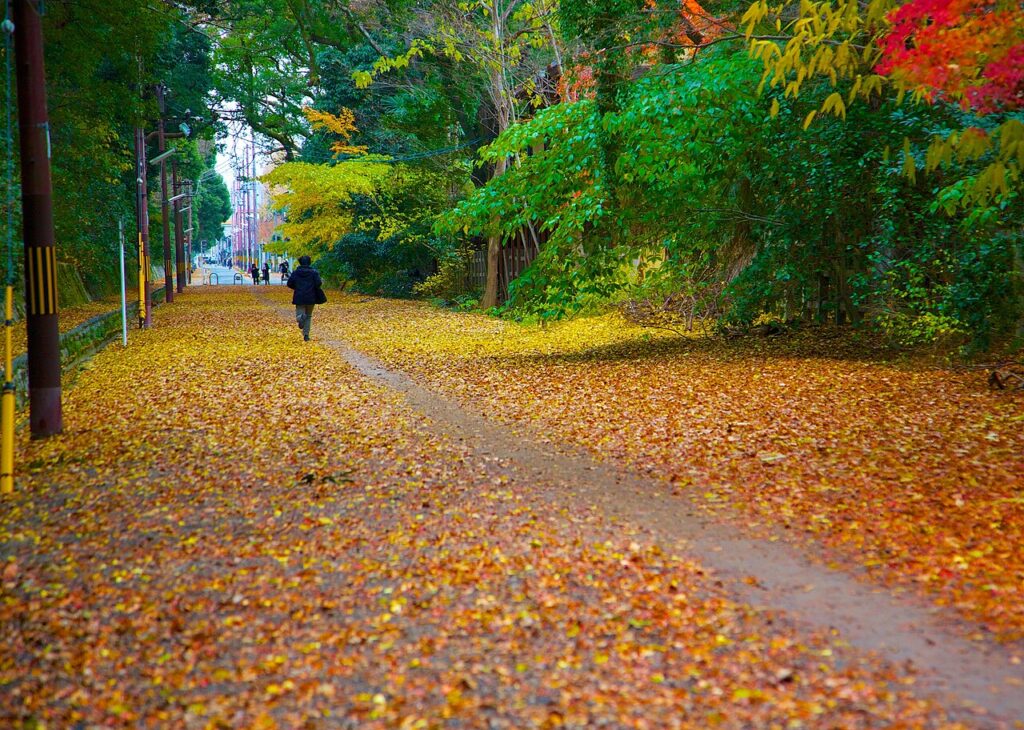
The guide describes spring blossoms and autumn colors as progressing through different parts of the country at different times. That is a reason to consult a location-specific forecast, not to promise a particular display for a booked date. A photograph from a previous season is not a current condition report.
Japan seasonal travel: what the official guidance establishes
Start with the places where weather would change the decision rather than merely the clothing: an exposed walk, an island connection or a day built around an outdoor attraction. Check the appropriate forecast close to departure and the operator’s notices before traveling. Keep an indoor or shorter alternative available.
JNTO describes spring blossom progression broadly from south to north and autumn color progression from Hokkaido southward. The directions are useful for understanding why two destinations can be at different stages on the same trip. They do not establish the condition of a particular tree, garden or mountain today. Keep a booking decision separate from an expectation about a seasonal photograph.
The weather page provides average-temperature and precipitation information for cities including Tokyo, Kyoto, Sapporo, Sendai, Kanazawa, Fukuoka and Naha. Averages help frame what a destination is generally like, but the forecast is the tool for an immediate decision. Packing from an average and deciding whether to undertake an exposed outing are not the same exercise.
For a multi-city trip, create a short table with each destination, travel date and the activity most affected by weather. Update the forecast for each stop as it approaches. If one part of the trip changes, review the connections around it rather than simply removing the outdoor activity and leaving an impractical transfer untouched.
Japan seasonal travel: make the plan fit your journey
The tourism organization links to heat-illness prevention material and a description of wet-bulb globe temperature information. Those links are a reason to consult the relevant official advice when heat is a concern. This guide supplies no threshold declaring an outing safe. Individual needs, the activity and current conditions require more specific judgment than a national seasonal overview can provide.
Keep warnings and transport notices accessible in a form you can use while traveling. Know where your accommodation displays emergency guidance and identify its designated evacuation area, as JNTO recommends. If a local instruction conflicts with an old itinerary, follow the current instruction and revise the plan. A carefully prepared schedule is useful only while its assumptions still hold.
For a seasonal attraction, save the managing authority’s page separately from the general forecast. Weather conditions and visitor access answer different questions: good weather does not prove that a path, garden or facility is open. Checking both prevents a forecast from being mistaken for an operating notice.
Japan seasonal travel: checks before you leave
JNTO also flags hot and humid summer conditions and the possibility of typhoons disrupting travel. The sensible planning response is to avoid making every day depend on a tight connection. This article does not forecast a storm or assess the safety of a particular journey; those questions need current official information.
The same guide discusses earthquakes and volcanic activity and advises checking warnings for the areas being visited. On arrival at accommodation, identify the emergency information and evacuation arrangements provided there. Do not assume a general tourism map contains the instructions relevant to a specific building or destination.
Treat the seasonal guide as the first layer of preparation. The second is the local forecast and the third is the actual service or site notice. Keeping those layers separate helps avoid two common mistakes: calling a seasonal expectation a forecast, and calling a destination description confirmation that everything is operating normally.